
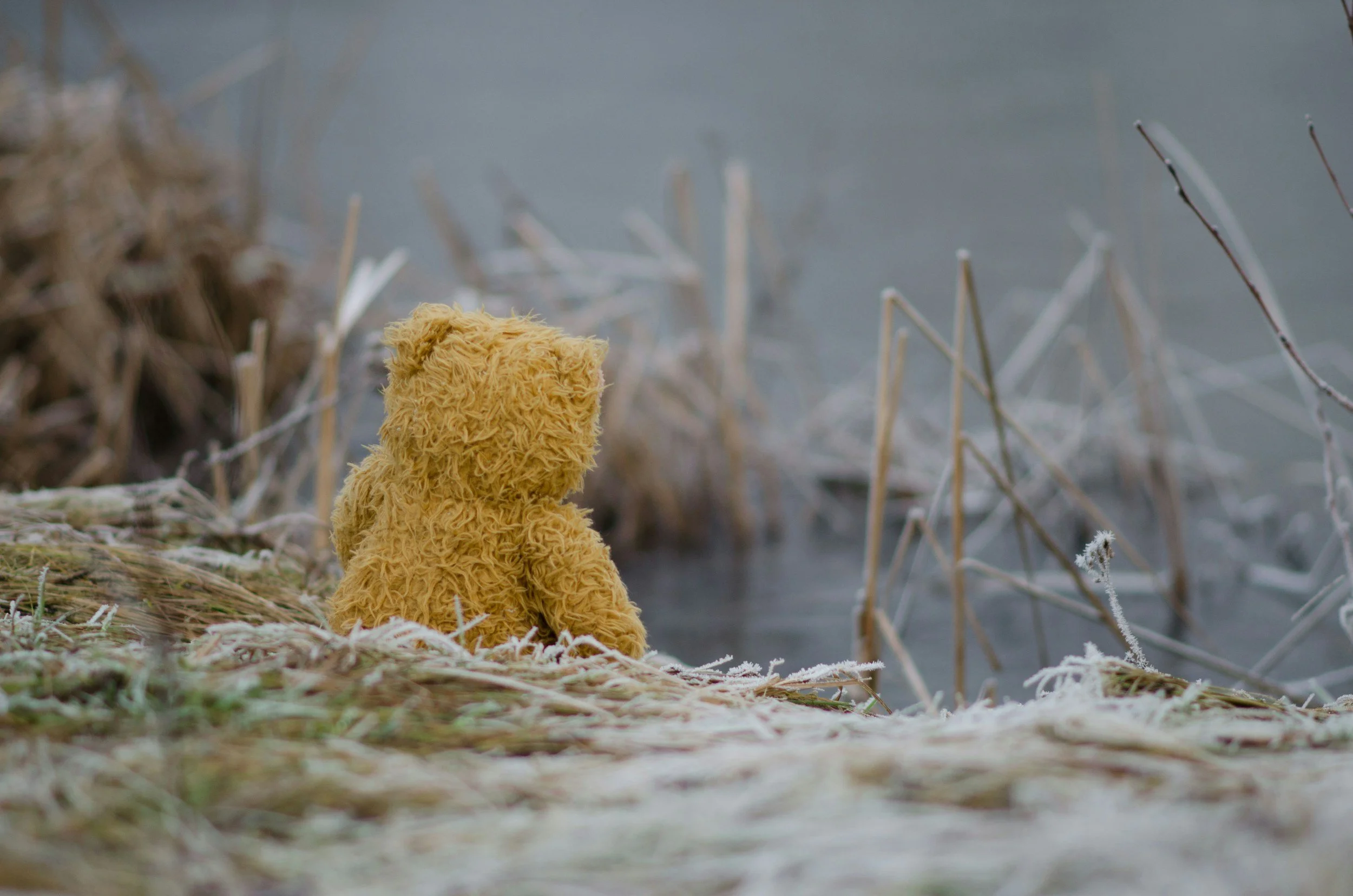
Loneliness and isolation are dear to my heart, and I find myself especially sensitive to them. Maybe it is because I have felt profound loneliness in my life at different stages in life, or I have witnessed friends and family suffer from it, and felt powerless.
During and after the pandemic, I’ve realised people and relationships have changed dramatically, and more and more people reported feeling lonely and isolated (CITE). It has quietly become one of the most pressing public health challenges of our time. Hence, in this post, I wanted to cover this quiet pandemic that not only affects how we feel but also impacts our physical health, our communities, and even how long we live. Let’s decode this significant issue and understand how we can mitigate it for ourselves and our loved ones.
Definition
Loneliness and isolation are often mentioned together, but they aren’t quite the same thing. Loneliness is the painful feeling that arises when there’s a gap between the social connection we crave and what we actually have. Social isolation, on the other hand, is more about the numbers; it’s a lack of regular interaction or meaningful relationships with others (Centres for Disease Control and Prevention [CDC], 2023).
To truly understand and address this issue, we also need to rethink what we mean by “community.” Community is about having people who see you, support you, and make you feel like you belong. That sense of shared safety and connection is vital for our emotional and mental health (World Health Organization [WHO], 2021).
This is where community medicine comes in. Have you heard of that term before? Community medicine, unlike traditional medicine, focuses on our neighbourhoods, our relationships, and how our social environments affect our health. It recognizes that everything from access to parks and public transportation to cultural inclusion and a sense of purpose influences our ability to build meaningful connections (Dowling et al., 2017). Community medicine focuses on prevention, emotional resilience, and strengthening the social ties that help us thrive.
And this isn’t just a problem for a few, it’s global and affects people at every stage of life. Older adults often face loneliness after losing a spouse, dealing with mobility issues, or moving into care facilities. Teenagers and young adults may be constantly online, but many still feel deeply disconnected, proving that digital connection doesn’t always meet our emotional needs (CDC, 2024a). For working adults, especially after the COVID-19 pandemic, the isolation of remote work and the breakdown of daily social routines have left many feeling lonely and isolated. This widespread disconnection hasn’t gone unnoticed: the CDC, WHO, and health authorities around the world now officially recognize loneliness as a serious public health concern (WHO, 2021; CDC, 2024b).
The good news? Loneliness is not a life sentence. With greater awareness, more compassionate systems, and intentional efforts to rebuild connection, we can turn the tide from isolation to belonging!
Pathophysiology of Loneliness
Biologically, chronic loneliness activates a prolonged stress response, increasing cortisol levels and promoting systemic inflammation, both of which are linked to poor immune regulation and cardiovascular disease (Cacioppo & Cacioppo, 2014). Additionally, it diminishes oxytocin, the “bonding hormone.” These neural changes contribute to altered reward processing, reducing motivation to seek out or maintain relationships (Mushtaq et al., 2014).
Psychologically, loneliness acts as a cognitive amplifier for negative thought patterns. It increases the likelihood of cognitive distortions, such as catastrophising and personalisation, and fuels cycles of rumination and self-deprecation. These patterns share a bidirectional relationship with depression, anxiety disorders, and trauma responses (Hawkley & Capitanio, 2015). Behaviourally, loneliness correlates with reduced physical activity, increased substance use, and either excessive risk aversion or impulsivity, further distancing individuals from preventive health services (WHO, 2021).
Health Consequences
The health consequences of disconnection are broad and severe. Research shows that loneliness is associated with a 29% increased risk of heart disease and a 32% increased risk of stroke (Valtorta et al., 2016). It is also a powerful predictor of cognitive decline and dementia, independent of other risk factors (Wilson et al., 2007). On the mental health front, social isolation significantly elevates the risk of depression, suicidal ideation, and substance misuse (CDC, 2024c). Additionally, the immune system suffers, with lonely individuals exhibiting slower wound healing, heightened inflammatory markers, and poorer viral immunity (Cole, 2007). Importantly, the mortality risk from chronic loneliness is comparable to or worse than smoking 15 cigarettes a day (Holt-Lunstad et al., 2015).
At-Risk Populations
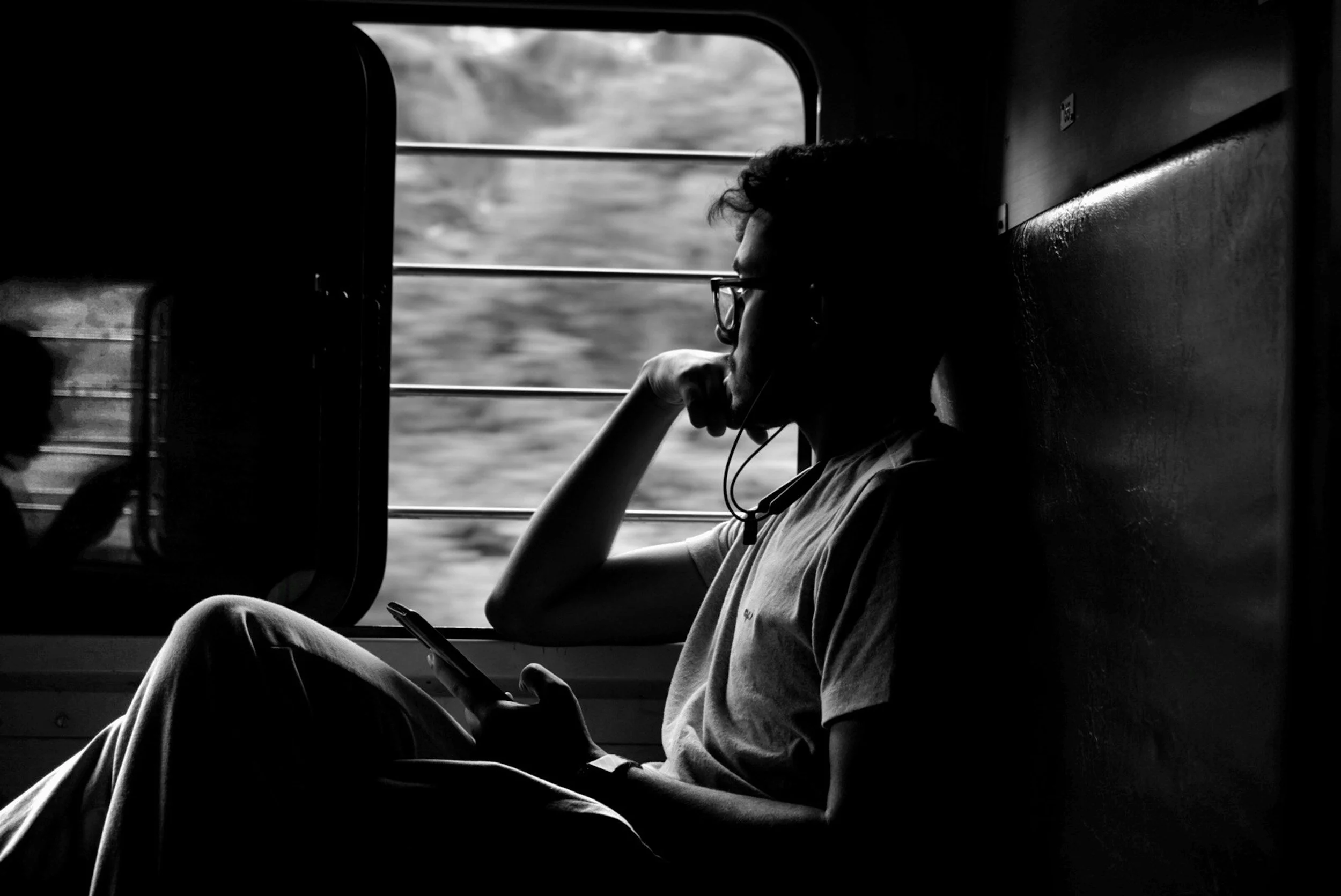
Certain populations are disproportionately vulnerable. Older adults often face isolation following the loss of a spouse or when entering assisted living facilities.
Adolescents and youth grapple with identity formation in a digital landscape that promotes comparison and exclusion.
Caregivers, particularly those supporting chronically ill loved ones, may suffer from compassion fatigue and social withdrawal.
Individuals with chronic illness or disabilities often confront mobility barriers and social stigma.
Marginalized groups—including immigrants, LGBTQ+ individuals, and racial minorities—experience systemic exclusion and cultural disconnection.
Furthermore, digital nomads and urban residents frequently endure transient lifestyles devoid of long-term community ties, exacerbating the sense of rootlessness (CDC, 2024d; WHO, 2021).
Therapeutic and Community Interventions
Therapeutic and community interventions for loneliness are as multifaceted as the problem itself, blending medical approaches, psychosocial support, and imaginative reconnection pathways to address the physiological, emotional, and existential roots of disconnection. Clinical therapies such as cognitive behavioural therapy (CBT) have been effectively adapted to target social cognition, helping individuals reframe negative social beliefs, reduce avoidance behaviours, and re-engage with community life. Narrative therapy and group psychotherapy similarly facilitate meaning-making, validation, and identity reconstruction through shared storytelling and collective reflection (Cacioppo & Patrick, 2008).
Beyond conventional medicine, the rise of social prescribing in countries like the UK and Australia has become a promising model. Health practitioners can refer patients to structured, evidence-based community activities—such as gardening groups, choirs, men's sheds, or art collectives—which enhance social capital and emotional wellbeing (Drinkwater et al., 2019). These programs not only reduce loneliness but can improve chronic disease outcomes and lower healthcare usage. At the intersection of innovation and companionship, digital platforms now offer moderated online forums, AI-driven eldercare bots, and virtual group meetups that replicate some elements of in-person social bonds (Chopik, 2016).
Community-based models build durable infrastructures for belonging. Peer support networks leverage lived experience to foster mutual accountability and empathy. Time banks—where members exchange services without monetary transactions—encourage interdependence and reciprocity. Intergenerational living arrangements and community kitchens also break down silos, fostering cooperation across age, class, and cultural divides (Thomas et al., 2020). Nontraditional pathways such as animal-assisted therapy, eco-therapy, breathwork, and ritual practices reconnect individuals with nature, embodiment, and collective rhythms that restore a sense of coherence and safety.
Reconnection rituals are small yet powerful acts of restoration. Shared meals, neighbourhood storytelling nights, and cultural circles tap into ancestral modalities of gathering, where being witnessed and mirrored by others offers profound psychological safety. These rituals reinstate rhythm and predictability—core components of nervous system regulation and trauma recovery (Van der Kolk, 2014).
The Medicine of Community

Understanding why community heals requires reframing what it is. Community is not merely a geographical collection of individuals, but a relational ecosystem where people are seen, supported, and affirmed in their authenticity. It includes geographical proximity (e.g., villages), relational bonds (e.g., families, friends), aspirational groups (e.g., book clubs, faith circles), and even digital collectives where real connection is fostered. What matters most is the quality of relationships—not just their existence. Social neuroscience confirms that meaningful social ties enhance longevity, immune function, and mental health (Holt-Lunstad, 2015).
Community provides co-regulation—a calming of the nervous system through safe interpersonal presence. It offers collective meaning-making in times of adversity, safety for identity exploration, and a container for trauma healing through witnessing and mirroring. Belonging activates neurobiological pathways of reward and safety: dopamine and oxytocin release soothe the amygdala and reduce systemic inflammation (Eisenberger & Lieberman, 2004). Developmentally, human flourishing depends on secure relational anchors—from early caregivers to adult confidantes.
Cultural traditions reinforce this: collectivist societies maintain lower rates of certain psychiatric disorders through shared rituals, extended kinship systems, and communal events. Conversely, the Western ideal of radical individualism—though empowering in some respects—can fracture interdependence, breeding isolation and chronic stress.
To build community in adulthood, one must begin with small, consistent acts: attending the same farmer’s market or yoga class regularly, greeting neighbours by name, or hosting a monthly potluck. Micro-interactions, when repeated, build trust and familiarity. Bridging silos—especially across age, race, and interests—builds resilience. Designing for connection through “no phone” zones, communal projects, and co-creation increases participation and ownership. Consistency is critical; ritual builds safety and anticipation.
For those who feel like outsiders, belonging begins with vulnerability—allowing oneself to be seen in imperfection. Contribution also fosters inclusion: offering help, asking sincere questions, or volunteering invites reciprocity. Naming one’s need—whether it is for play, prayer, or purpose—can clarify the kind of relationships one seeks. Community is forgiving and human; it doesn’t demand perfection, only presence.
Finally, being a community for others involves relational leadership. It means listening without fixing, knowing who lives next door, and daring to extend the first invitation. Hosting shared rituals, creating group chats, or initiating shared meals are small steps toward weaving a stronger collective fabric.
As a health intervention, community is not a “nice to have”—it is a protective factor as crucial as nutrition or sleep. Integrative medicine increasingly incorporates belonging into care models: group acupuncture, shared medical appointments, and community meals leverage collective healing to amplify individual resilience. Spiritual and cultural traditions have long known this—grief, celebration, and healing are all processed communally. Science is simply catching up.
From Isolation to Integration
Loneliness is not a moral failing or a personal defect—it is a modifiable health risk with real, measurable consequences and proven solutions. Like hypertension or diabetes, it can be assessed, addressed, and ultimately healed through compassionate, integrated care. The science is clear: interventions work. Whether through cognitive reframing, community engagement, or ritualised connection, the path to recovery exists and it is paved not in grand gestures, but in small, intentional acts of inclusion.
At its core, this is a call to remember what humanity has always known but modernity has obscured: community is medicine. It soothes our nervous systems, restores meaning during times of despair, and reminds us that we do not need to carry our burdens alone. The power to generate this healing lies not only in institutions but in ordinary people. Anyone can create the conditions for connection by cooking a meal, starting a conversation, holding space for someone’s truth, or showing up consistently.
The responsibility, therefore, is collective. As clinicians, we must screen for social suffering and treat disconnection as seriously as any physiological concern. As neighbors, we must reach beyond our doors and acknowledge the invisible struggles of those nearby. As citizens and leaders, we must design public spaces, policies, and cultures that prioritize belonging over productivity and profit.
And it begins now. Share this message. Ask a deeper question. Host the gathering. Invite someone in from the margins. Because in the face of epidemic loneliness, the antidote is not perfection, but presence. Not performance, but participation. Not isolation, but integration.